
Why B2B Companies Lose Qualified Leads – and How HubSpot Helps Close the Gap
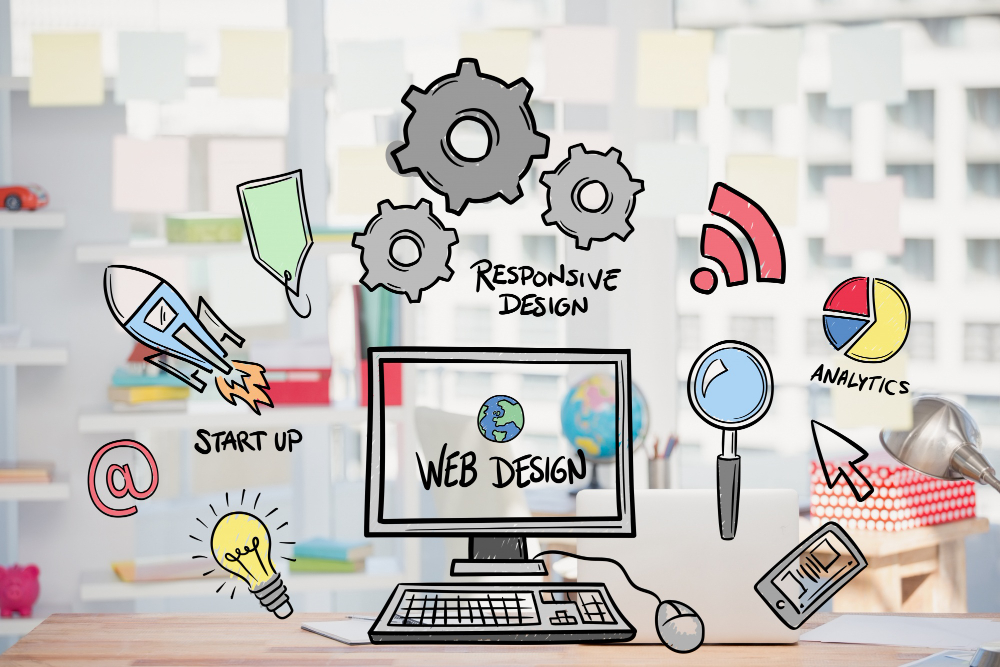
Introduction: A Successful Website Does More Than Look Good
Today, a website is much more than a digital business card. It is often the first interaction a potential customer has with your company, your services, and your brand.
Before contacting your business, customers may visit your website to understand what you offer, evaluate your credibility, explore your solutions, and decide whether you are the right partner for their needs.
That means your website needs to do more than look professional. It should communicate your value clearly, make information easy to find, provide a smooth user experience, and guide visitors toward meaningful actions.
However, many businesses approach website development by focusing primarily on appearance. They select a design, choose a platform, and launch the website without fully considering how it will support their customers and business objectives.
A successful business website requires a more thoughtful approach.
From choosing the right platform to creating a customer-focused design, every decision should contribute to a clear purpose.
In this article, we explore the key elements of an effective business website, the benefits of WordPress and HubSpot, and how the right development partner can help turn your website into a valuable business asset.
1. Start With a Clear Understanding of What Your Website Needs to Achieve
Before choosing a website platform or discussing design options, ask one important question:
What should your website help your business accomplish?
 Different businesses have different objectives. A professional services company may want to generate enquiries, while an eCommerce business may focus on online sales. A B2B organization may want to educate potential customers, capture leads, and support its sales team.
Your website should be planned around these objectives.
For example, if your primary goal is to generate enquiries, visitors should be able to understand your services quickly and find clear ways to contact your team.
If your business sells products, visitors should be able to explore product information, compare options, and move toward a purchase with minimal friction.
If your business relies on expertise and reputation, your website should showcase relevant experience, case studies, customer testimonials, and useful information that builds confidence.
Defining these objectives at the beginning helps you make better decisions about the website’s structure, content, features, and technology.
It also helps you measure success after launch.
Rather than judging a website solely by its appearance, you can evaluate whether it is attracting relevant visitors, generating enquiries, supporting customers, and contributing to your wider business goals.
2. Choose the Right Website Platform for Your Business
The platform behind your website influences how you manage content, introduce new features, connect business tools, and support future requirements.
Two established options for businesses are WordPress and HubSpot CMS. Both can support professional websites, but their advantages differ depending on your needs.
WordPress: Flexibility and Control
WordPress is a versatile content management system that enables businesses to build websites suited to their brand, audience, and objectives.
Its extensive ecosystem of themes, plugins, and development options makes it suitable for a wide variety of business requirements.
Why businesses choose WordPress:
- Flexible website design: Create a website that reflects your brand, services, and customer expectations.
- Extensive customization: Add features and integrations to support specific business needs.
- Content publishing: Manage blogs, articles, service pages, case studies, and other website content.
- Choice of hosting: Select an appropriate hosting arrangement based on your requirements and budget.
- Room to expand: Extend website functionality as your business introduces new services or opportunities.
WordPress can be particularly suitable for businesses that want a customizable website with control over their technology choices.
For example, a consulting company could use WordPress to present its services, publish industry insights, showcase case studies, and generate enquiries through contact forms.
With the right design and development, the website can evolve alongside the business without requiring a completely new platform every time its needs change.
HubSpot CMS: Connecting Your Website With Marketing and Sales
HubSpot CMS is especially attractive to businesses that want their website to work closely with their CRM and marketing activities.
Rather than treating the website as an isolated channel, businesses can connect supported website interactions with their broader customer engagement processes.
Why businesses choose HubSpot CMS:
- Connected customer information: Integrate website forms and supported interactions with HubSpot CRM.
- Marketing campaign support: Create landing pages and manage website content as part of broader marketing activities.
- Lead management: Organize incoming enquiries and support follow-up processes.
- Marketing visibility: Use available reporting and analytics capabilities to understand relevant campaign and website activity.
- Consistent content management: Use reusable templates and custom modules to maintain a consistent brand experience.
HubSpot CMS can be particularly useful for B2B companies and organizations that depend on inbound marketing and lead generation.
For example, a business offering professional services could publish helpful resources, capture enquiries through landing pages, and manage potential customers through its HubSpot environment.
The result can be a more connected experience for both the marketing team and prospective customers.
As with any platform, the available features depend on the subscription, configuration, and integrations in place.
How Do You Know Which Platform to Choose?
The answer depends on what your business needs most.
If flexibility, customization, and control over your website environment are your priorities, WordPress may be a strong fit.
If your website needs to work closely with your CRM, lead management, and marketing activities, HubSpot CMS may offer greater value.
There is also no requirement to replace a functioning website simply to adopt a different platform. WordPress can integrate with HubSpot, allowing businesses to retain their existing website while using HubSpot for selected CRM and marketing capabilities.
The important thing is to choose a platform that supports your business objectives, fits your budget, and provides the capabilities your team will actually use.
3. Create a Website Design That Builds Trust
Your website design influences how customers perceive your business.
A professional, consistent, and easy-to-use website helps visitors understand who you are and gives them confidence in exploring your services.
However, good design is not simply about attractive colours, animations, or visual effects. It is about making your business easier to understand and interact with.
Communicate Your Value Clearly
When someone visits your homepage, they should quickly understand:
- What your business does.
- Who your products or services are for.
- What makes your business relevant to their needs.
- What they should do next.
Avoid relying on vague statements that could apply to almost any company.
Instead, use clear headings, concise descriptions, relevant visuals, and meaningful calls to action.
Maintain a Consistent Brand Experience
Your website should reflect your brand identity through consistent typography, colours, imagery, layouts, and messaging.
Consistency across your homepage, service pages, landing pages, and other content helps create a more professional experience.
Reusable design components can also make it easier to maintain this consistency as your website expands.
Make Your Website Easy to Navigate
Visitors should not have to work hard to find information.
Organize your navigation around the needs of your customers. Group related services, make important information accessible, and ensure that contact options are easy to locate.
A clear website structure helps visitors move naturally from understanding your business to evaluating your offering and taking the next step.
4. Make Your Website Easy to Use on Every Device
Customers may discover your business through a mobile search, browse your services on a tablet, or explore your website on a desktop computer.
Your website should provide a consistent and convenient experience across these devices.
A mobile-friendly website should do more than shrink its desktop layout to fit a smaller screen.
Text must remain readable, buttons should be easy to tap, navigation should be practical, and important content should remain accessible without unnecessary scrolling or zooming.
Forms should also be straightforward to complete, particularly when visitors are using mobile devices.
These details matter because a visitor who struggles to navigate your website may leave before learning about your services.
When planning a new website, ensure that responsive design and usability are considered from the beginning rather than treated as final-stage adjustments.
5. Give Visitors a Clear Reason to Take the Next Step
A website may attract relevant visitors and present your business professionally, but it still needs to help those visitors move forward.
This is where calls to action become important.
A call to action tells visitors what they can do next. Depending on your business, this might mean requesting a quote, booking a consultation, contacting your team, downloading a resource, or making a purchase.
Effective calls to action should be relevant to the page and the visitor’s likely needs.
For example:
- A service page could invite visitors to request a consultation.
- A case study could encourage readers to discuss a similar project.
- An educational article could direct readers to explore a relevant service.
- A product page could guide visitors toward purchasing or requesting more information.
Your contact forms should also request only the information needed to start a useful conversation. Long or complicated forms can create unnecessary barriers.
For businesses focused on lead generation, the website should make it easy for interested prospects to move from research to enquiry.
This does not mean adding buttons to every section. It means providing clear, relevant opportunities for visitors to take the next step when they are ready.
6. Publish Content That Helps Customers Make Better Decisions
A successful website should answer the questions customers have before choosing a product, service, or provider.
Your content should help visitors understand their options, evaluate your expertise, and determine whether your business can solve their problems.
Depending on your industry, useful content may include:
- Clear service and product descriptions.
- Answers to frequently asked questions.
- Case studies and project examples.
- Customer testimonials and reviews.
- Helpful articles and industry insights.
- Guides that explain your services and their benefits.
Content should focus on what customers need to know rather than simply promoting your company.
For example, instead of describing a service only in terms of its features, explain how it can help a customer save time, simplify a process, improve an experience, or achieve a business objective.
Regularly reviewing your website content is equally important. Ensure that your service information, pricing where applicable, contact details, and other important details remain accurate.
A website with relevant, well-organized content gives visitors more reasons to trust your business and take the next step.
7. Help Customers Find Your Website Through Search
Even a well-designed website needs visibility.
Search engine optimization (SEO) helps search engines understand your website and can improve its ability to appear in relevant search results.
A good SEO foundation starts with understanding what your potential customers are searching for and organizing your website around those needs.
Important considerations include:
- Using descriptive page titles and meta descriptions.
- Creating useful content around relevant search topics.
- Organizing information with clear headings.
- Using descriptive URLs and meaningful internal links.
- Providing a responsive, accessible user experience.
- Optimizing images and monitoring page performance.
- Ensuring that important pages can be discovered and indexed by search engines.
Your website platform can support these activities, but no platform automatically guarantees search rankings.
WordPress and HubSpot can both support SEO-friendly websites when configured and managed appropriately.
The quality of your content, relevance to search intent, technical implementation, and ongoing optimization all contribute to the overall outcome.
SEO should therefore be considered during website planning and development, not added as an afterthought once the website is launched.
8. Choose Features That Support Your Business Goals
Modern websites can offer a wide range of features, from basic contact forms to advanced integrations and personalized experiences.
However, adding more functionality does not automatically make a website more successful.
The most effective approach is to identify which features genuinely help customers or improve your business processes.
For example, your business might benefit from:
Contact forms and enquiry management
Help visitors contact your team and ensure that enquiries reach the appropriate people.
Landing pages
Create focused pages for particular services, campaigns, or customer groups.
Customer testimonials and case studies
Show prospective customers how your business has helped others.
Product or service directories
Make it easier for visitors to explore a broad range of offerings.
CRM and marketing integrations
Connect website activity with appropriate business systems to improve lead handling and follow-up.
Analytics and reporting
Monitor relevant activity, such as enquiries, form submissions, purchases, and campaign performance.
The features you need will depend on your industry, audience, and objectives.
A small business may need a straightforward website with clear service pages and an effective enquiry process. A larger organization may need multiple integrations, regional content, or more advanced marketing capabilities.
Start with the requirements that matter most, then expand your website as your needs evolve.
9. Why Professional Website Development Makes a Difference
Choosing WordPress or HubSpot is an important decision, but the platform alone does not determine whether your website will be successful.
The design, content, functionality, and overall implementation must work together to deliver the intended experience.
A professional development partner can help you turn your business requirements into a practical website solution.
This includes understanding your goals, planning the website structure, implementing the approved design, configuring the appropriate platform, and testing the website before launch.
Professional development can also help ensure that your website is easier to manage after launch and that future changes can be introduced without unnecessary complexity.
For example, a business may need a custom WordPress website that supports its services and content strategy. Another organization may need a HubSpot website that connects landing pages, forms, and CRM processes.
Both projects require an approach tailored to the business rather than a one-size-fits-all implementation.
It is also worth considering ongoing support. Websites require updates, content improvements, performance monitoring, and adjustments as business needs change.
Working with an experienced development team can help you plan for these requirements and maintain a website that continues to serve your business effectively.
10. How Softlab Solutions Can Help You Build the Right Website
At Softlab Solutions, we understand that every business has different goals, customers, and website requirements.
Some organizations need a new website to establish their online presence. Others want to improve an existing website, introduce new features, or create a closer connection between their website and marketing activities.
Our team provides website design and development services to help businesses build digital experiences aligned with their objectives.
WordPress Website Design and Development
We help businesses create flexible, professional WordPress websites tailored to their brand and requirements.
Our services include custom WordPress development, responsive website design implementation, theme and page builder customization, website redesigns, integrations, and ongoing improvements.
Whether you need a new corporate website, a content-driven platform, or a customized WordPress solution, we can help you plan and implement the right approach.
Explore our WordPress and CMS solutions to learn more.
HubSpot CMS Website Development
For businesses looking to connect their website with marketing and CRM activities, we provide HubSpot CMS development services.
Our work includes custom themes and templates, reusable modules, landing pages, HubDB and dynamic content solutions, CRM integrations, and website migrations.
We focus on creating websites that support your brand, help your team manage content, and fit your broader business and marketing requirements.
Explore our HubSpot CMS development services to see how we can support your project.
A Website Solution Tailored to Your Business
You do not need to decide every detail before speaking with a development partner.
Start by identifying your goals, the customers you want to reach, and the challenges you want your website to address.
We can help you evaluate your requirements, determine the most suitable approach, and plan a website solution that fits your business.
Whether you need WordPress development, HubSpot CMS implementation, a website redesign, or support with specific functionality, our team can help you move forward.
Conclusion: Build a Website That Works for Your Business
A successful business website combines several important elements.
It needs a clear purpose, a suitable platform, professional design, accessible content, a smooth user experience, and features that help customers take meaningful action.
WordPress offers flexibility and extensive customization options, making it suitable for businesses with a wide range of website requirements.
HubSpot CMS is particularly valuable for businesses that want their website to work closely with their CRM and marketing activities.
Neither platform is automatically the right choice for every business. The best solution depends on your objectives, budget, customers, and plans for growth.
The most important step is to approach website development as a business investment rather than simply a design exercise.
When your website is planned around your customers and business goals, it can become a stronger foundation for building trust, generating enquiries, and supporting long-term growth.
Ready to Build a Better Website for Your Business?
Whether you are planning a new website, looking to improve your existing online presence, or exploring WordPress and HubSpot for your next project, Softlab Solutions can help you identify the right approach.
Our team works with businesses to design, develop, and improve websites that reflect their brand and support their objectives.
Visit Softlab Solutions to explore our services, or contact our team to discuss your website requirements.
Let’s work together to create a professional website that helps your business connect with customers and move toward its next stage of growth.
Related posts